Introduction
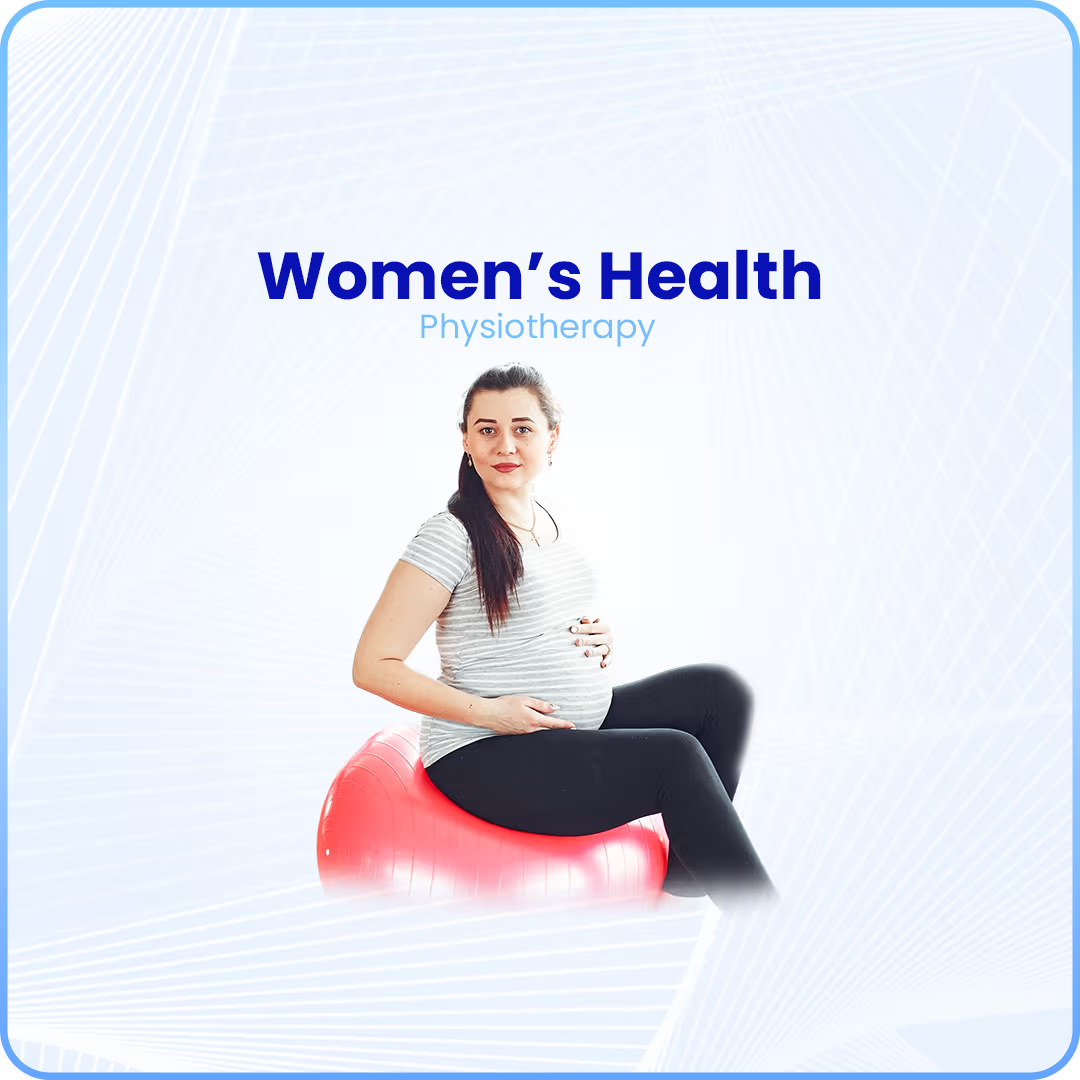
From puberty to pregnancy, postpartum recovery, and menopause, a woman’s body goes through unique physical, hormonal, and structural changes. While many of these changes are natural, they can sometimes cause pain, weakness, incontinence, or reduced quality of life.
Women’s Health Physiotherapy is a specialized branch of physical therapy designed to address these challenges. It focuses on pelvic floor health, core stability, postural correction, and recovery from life events that affect women’s musculoskeletal health.
In Bangladesh, awareness about women’s physiotherapy is growing, and more women are seeking professional help for issues they once thought they had to live with.
What is Women’s Health Physiotherapy?
Women’s health physiotherapy addresses conditions related to:
- Pelvic floor function
- Pregnancy and postpartum recovery
- Menopause-related musculoskeletal changes
- Urinary and bowel control
- Post-surgical recovery after gynecological procedures
The aim is to restore normal function, reduce pain, and improve confidence in daily life.
Common Conditions Treated
Women’s health physiotherapists in Bangladesh commonly manage:
- Urinary incontinence (stress, urge, mixed)
- Pelvic organ prolapse
- Pelvic floor dysfunction
- Postnatal back, hip, and pelvic pain
- Diastasis recti (abdominal muscle separation)
- Scar pain (after cesarean section or episiotomy)
- Pain during intimacy (dyspareunia)
- Chronic pelvic pain
- Menopause-related joint stiffness and bone loss
- Post-hysterectomy rehabilitation
Research shows that 1 in 3 women will experience pelvic floor dysfunction in their lifetime, but with early physiotherapy, most cases improve significantly.
Step-by-Step Women’s Health Rehabilitation Process
1. Detailed Assessment
- Medical and pregnancy history
- Pelvic floor muscle evaluation
- Core strength and posture analysis
- Lifestyle and activity review
- Symptom tracking for bladder/bowel health
2. Pelvic Floor Therapy
- Targeted strengthening or relaxation techniques
- Biofeedback to improve awareness and control
- Breathing coordination for core-pelvic integration
3. Core & Postural Rehabilitation
- Exercises for deep abdominal and back muscles
- Correction of posture affected by pregnancy or desk work
- Diastasis recti recovery programs
4. Pain Management
- Manual therapy for pelvic joints and lower back
- Myofascial release for scar or muscle tension
- Electrotherapy (TENS) for pain relief
- Super Inductive System (SIS) for safe muscle activation and relaxation
5. Functional Training
- Safe lifting and bending techniques
- Strategies for returning to work, sport, or fitness
- Exercise modification for pregnancy and postpartum
6. Education & Lifestyle Guidance
- Bladder and bowel health strategies
- Sexual health awareness and pain management tips
- Menopause exercise and bone health advice
Advanced Treatment Tools
Women’s health physiotherapy in Bangladesh now uses:
- Super Inductive System (SIS) – muscle activation and pain relief
- Biofeedback Devices – track pelvic floor contractions
- Electrical Muscle Stimulation (EMS) – for severe weakness
- Soft Tissue Therapy Tools – reduce scar pain and tightness
Benefits of Women’s Health Physiotherapy
- Better bladder and bowel control
- Reduced pelvic and back pain
- Improved sexual health and confidence
- Faster recovery after childbirth or surgery
- Increased core strength and posture stability
- Enhanced quality of life at every life stage
Frequently Asked Questions (FAQs)
1. Is women’s health physiotherapy safe during pregnancy?
Yes, when guided by a qualified physiotherapist, exercises and techniques are adapted for each stage of pregnancy.
2. Can physiotherapy treat urinary incontinence?
Yes, targeted pelvic floor exercises can improve or resolve most cases without surgery.
3. How soon after childbirth can I start physiotherapy?
You can begin gentle exercises within days after a normal delivery, but always get clearance from your doctor before starting.
4. Is Super Inductive System safe for postpartum recovery?
Yes, it’s safe for most women after healing from childbirth or surgery, provided there are no contraindications.
5. Do I need a referral to start women’s health physiotherapy?
No, you can book directly with a women’s health physiotherapist.
Practical Tips for Women’s Musculoskeletal Health
- Do regular pelvic floor exercises (Kegels)
- Maintain proper posture while breastfeeding or working
- Stay physically active through all life stages
- Wear supportive footwear to protect your back and hips
- Seek physiotherapy early for any persistent pain or weakness
Conclusion
Women’s health physiotherapy in Bangladesh is empowering women to address sensitive and often overlooked issues. Through pelvic floor therapy, core strengthening, manual techniques, and modern technology like the Super Inductive System, physiotherapists help women regain control, reduce pain, and live more active, confident lives.
Whether you’re preparing for childbirth, recovering postpartum, or navigating menopause, specialized physiotherapy offers solutions that improve both physical health and overall wellbeing.


 +8801711751428