Introduction
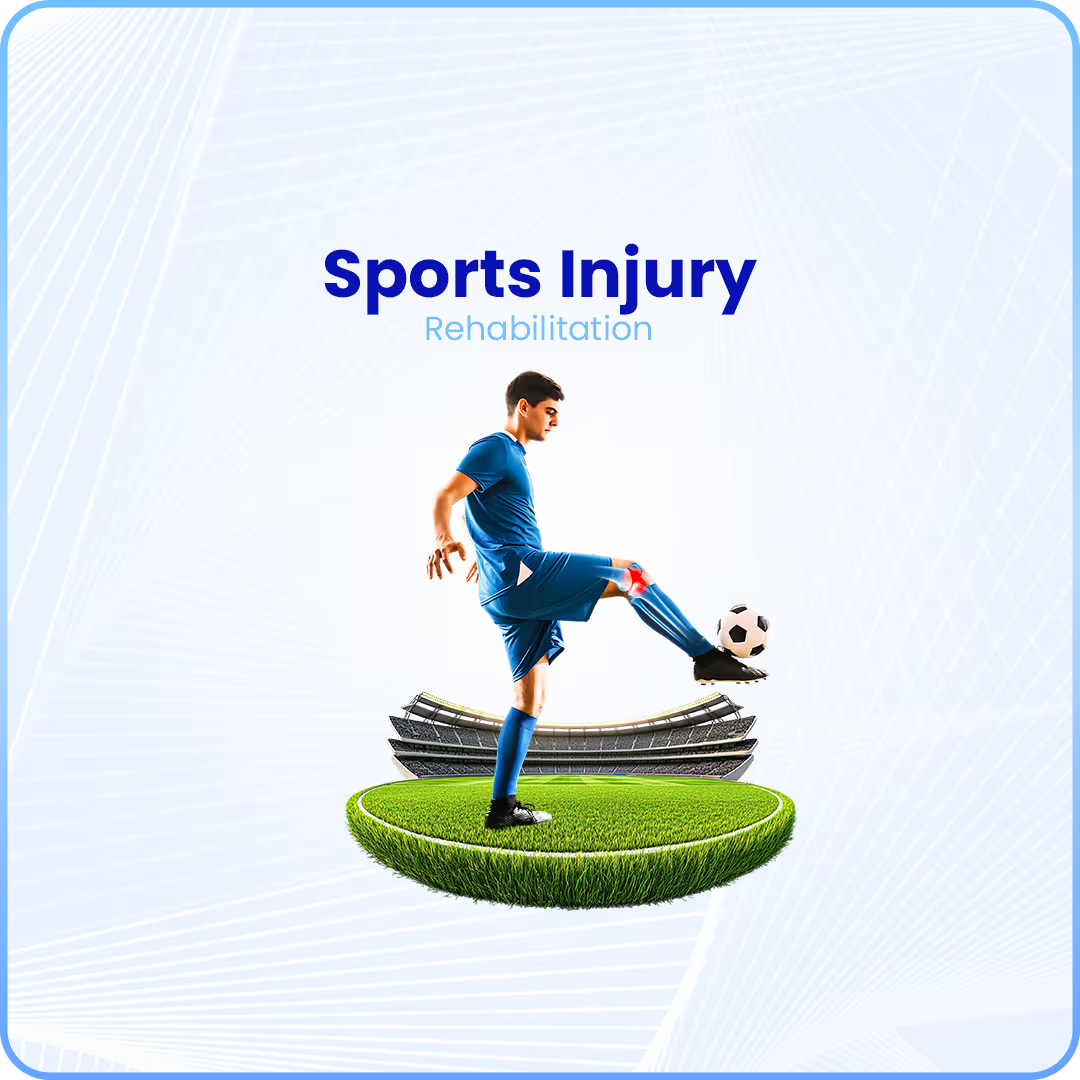
From cricket fields to gym workouts, sports and physical activities are an essential part of life for many Bangladeshis. But with physical performance comes the risk of injury and without proper care, even minor injuries can lead to chronic pain, reduced performance, or career-ending complications.
Sports injury rehabilitation is a specialized branch of physiotherapy that not only treats injuries but also prepares athletes and active individuals to return to their sport faster, safer, and stronger than before. It combines evidence-based techniques, sport-specific training, and advanced recovery technology.
What is Sports Injury Rehabilitation?
Sports injury rehabilitation is the process of restoring full function after an injury sustained during athletic activity. It aims to:
- Reduce pain and swelling
- Restore strength, flexibility, and coordination
- Retrain sport-specific movement patterns
- Prevent re-injury and future complications
Rehabilitation is not just about healing the injured tissue, it’s about rebuilding the athlete physically, mentally, and technically.
Common Sports Injuries in Bangladesh
Physiotherapists in Bangladesh treat a variety of sports-related injuries, including:
- Ligament injuries (ACL, MCL, ankle sprains)
- Muscle strains & tears (hamstrings, quadriceps, calf, groin)
- Tendinopathies (Achilles tendonitis, tennis elbow, jumper’s knee)
- Cartilage damage (meniscus tears, labral injuries)
- Fractures and stress fractures
- Rotator cuff injuries & shoulder dislocations
- Shin splints
- Plantar fasciitis
- Concussion and post-concussive syndrome
- Post-surgical rehab (ACL reconstruction, meniscus repair, shoulder stabilization)
A study in the Journal of Orthopaedic Science found that over 50% of athletes who returned to play without proper rehabilitation sustained a re-injury within one year.
Step-by-Step Sports Injury Rehabilitation Process
1. Assessment & Diagnosis
- Detailed injury history
- Physical examination (strength, range of motion, swelling)
- Functional testing (jumping, running, cutting movements)
- Sport-specific movement analysis
2. Acute Phase – Pain & Swelling Control
- RICE Protocol (Rest, Ice, Compression, Elevation)
- Electrotherapy (TENS, IFT, Ultrasound)
- Super Inductive System (SIS) for pain reduction and early muscle activation
- Protective bracing or taping if needed
3. Restoration of Mobility
- Gentle joint mobilization
- Stretching for flexibility
- Soft tissue release and massage therapy
- Mobility drills to restore sport-specific range of motion
4. Strengthening Phase
- Progressive resistance training for injured and supporting muscles
- Core stability and posture correction
- Proprioception and balance exercises
- Plyometric drills for explosive movement
5. Sport-Specific Rehabilitation
- Functional drills that mimic game situations
- Agility ladder, cones, and reaction training
- Jump mechanics and landing techniques
- Endurance conditioning
- Psychological readiness assessment
6. Return-to-Play (RTP) Protocol
- Functional performance testing
- Simulated match situations under controlled conditions
- Injury prevention education and warm-up strategies
- Gradual return to full competition
Advanced Sports Rehab Technologies in Bangladesh
Modern sports rehabilitation facilities now use:
- Super Inductive System (SIS) – reduces pain and improves muscle recovery speed
- Shockwave Therapy – accelerates healing in chronic tendon injuries
- Cryotherapy – reduces inflammation and speeds recovery
- Kinesio Taping – supports joints and reduces strain during activity
- Motion Analysis Systems – evaluate movement patterns to prevent injury
Benefits of Sports Injury Rehabilitation
- Faster and safer return to sport
- Reduced risk of re-injury
- Improved performance and movement efficiency
- Better muscle balance and coordination
- Enhanced confidence in physical activity
Frequently Asked Questions (FAQs)
1. How long does sports injury rehabilitation take?
Minor injuries may take 2–6 weeks; major injuries like ACL reconstruction may require 6–12 months before returning to sport.
2. Can I train while injured?
Yes, under professional supervision. Many athletes continue modified training focusing on unaffected body parts during rehab.
3. Is the Super Inductive System necessary for sports rehab?
Not always, but it is highly beneficial for pain control, muscle activation, and maintaining strength during recovery.
4. Will rehabilitation prevent future injuries?
Yes, a well-structured rehab plan improves strength, balance, and technique, reducing injury recurrence.
5. Can I start sports rehab without a doctor’s referral?
Yes, you can directly visit a sports physiotherapist, but if you’ve had surgery, a doctor’s clearance is recommended.
Tips for Athletes to Avoid Injuries
- Warm up properly before training or matches
- Include strength and flexibility training in your routine
- Listen to your body, don’t push through severe pain
- Maintain good nutrition and hydration
- Schedule regular check-ups with a physiotherapist
Conclusion
Sports injury rehabilitation in Bangladesh has evolved from basic rest and recovery to scientifically designed, performance-driven rehabilitation programs. By combining manual therapy, targeted exercise, and advanced technologies like the Super Inductive System, athletes can recover faster, return to play with confidence, and reduce the risk of future injuries.
Whether you’re a professional cricketer, a marathon runner, or a weekend football player, proper rehabilitation is the difference between a temporary setback and a long-lasting career.
 +8801711751428