Introduction
Neurological disorders such as stroke, spinal cord injury, Parkinson’s disease, and cerebral palsy can severely impact a person’s movement, coordination, balance, and independence.
In Bangladesh, the number of people living with neurological conditions is rising due to longer life expectancy, lifestyle changes, and increased survival after serious illness or injury.
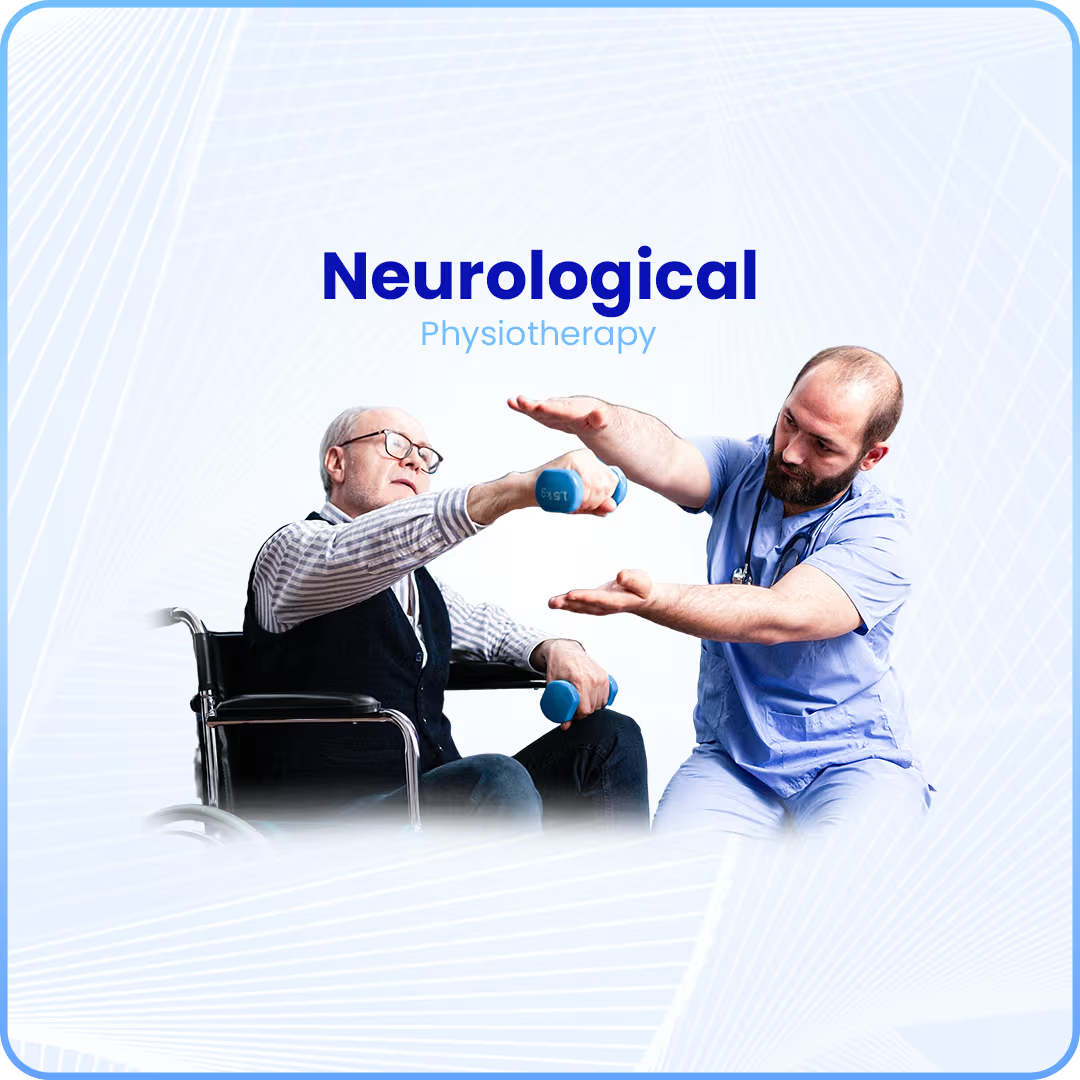
Neurological physiotherapy is a specialized form of rehabilitation that helps these individuals restore movement, improve function, and maximize independence. It combines neuro-specific techniques, advanced technologies, and patient education for long-term improvement.
What is Neurological Physiotherapy?
Neurological physiotherapy focuses on treating conditions affecting the brain, spinal cord, and peripheral nerves. When these systems are damaged due to injury, illness, or degenerative disease, patients may experience:
- Weakness or paralysis
- Loss of coordination
- Impaired balance
- Abnormal muscle tone (spasticity or flaccidity)
- Reduced sensation
- Difficulty walking or using hands
- Fatigue and reduced endurance
The aim of neurological physiotherapy is to stimulate neuroplasticity, the brain’s ability to rewire itself and retrain the body to move more effectively.
Common Neurological Conditions Treated
In Bangladesh, neurological physiotherapists often work with patients recovering from:
- Stroke (CVA, Hemiplegia)
- Spinal Cord Injury (paraplegia, tetraplegia)
- Parkinson’s Disease
- Multiple Sclerosis (MS)
- Traumatic Brain Injury (TBI)
- Guillain-Barré Syndrome (GBS)
- Motor Neuron Disease (MND)
- Cerebral Palsy (CP) – in adults and children
- Peripheral Neuropathies
- Ataxia and Coordination Disorders
- Post-Neurosurgery Rehabilitation
According to the WHO, stroke is the leading cause of long-term disability in Bangladesh, with over 80% of survivors requiring physiotherapy for optimal recovery.
Step-by-Step Neurological Rehabilitation Process
1. Comprehensive Neuro Assessment
- Medical history & neurological examination
- Muscle strength and tone evaluation
- Reflexes and coordination testing
- Balance and gait analysis
- Functional ability assessment (daily activities, transfers, mobility)
2. Early-Stage Management
- Positioning techniques to prevent complications (bed sores, contractures)
- Passive and assisted movements to maintain joint health
- Breathing exercises to improve lung function (especially in spinal cord injury)
3. Neuro-Rehabilitation Techniques
- Neuro-Developmental Treatment (NDT) – retraining normal movement patterns
- Proprioceptive Neuromuscular Facilitation (PNF) – enhancing muscle activation and coordination
- Constraint-Induced Movement Therapy (CIMT) – encouraging use of the weaker limb in stroke recovery
- Balance & Gait Training – using parallel bars, balance boards, or body-weight-supported treadmill
- Task-Oriented Functional Training – practicing real-life activities to improve independence
4. Electrotherapy & Advanced Modalities
- Functional Electrical Stimulation (FES) – activates weak muscles to improve walking or hand function
- Super Inductive System (SIS) – stimulates nerves & muscles to reduce spasticity and enhance recovery
- Transcutaneous Electrical Nerve Stimulation (TENS) – pain relief
- EMG Biofeedback – teaches patients how to activate specific muscles
- Vibration Therapy – improves sensory feedback and muscle activation
5. Strength, Coordination, and Endurance Training
- Progressive resistance exercises for weak muscles
- Fine motor skill training for hand function
- Dual-task exercises for cognitive-motor integration
6. Patient & Family Education
- Safe transfer techniques (bed to wheelchair, sit to stand)
- Home exercise program
- Fall prevention strategies
- Ergonomic modifications for home and workplace
7. Long-Term Maintenance & Prevention
- Regular follow-up sessions
- Adjusting exercise programs as function improves
- Community reintegration activities for social and mental well-being
Advanced Neuro-Rehab Technologies in Bangladesh
Modern neurological physiotherapy centers now use:
- Super Inductive System (SIS) – non-invasive muscle stimulation for spasticity reduction and activation
- Robotic Gait Trainers – assists in relearning walking patterns
- Virtual Reality (VR) Rehabilitation – engaging exercises for brain stimulation
- Functional Electrical Stimulation Bikes – for lower limb strengthening in paralysis
- EMG Biofeedback Systems – real-time muscle activity feedback
Frequently Asked Questions (FAQs)
1. How soon should neuro-physiotherapy start after a stroke or injury?
The earlier, the better. Ideally within days if medically stable. Early intervention improves recovery outcomes significantly.
2. Can neurological physiotherapy restore full function?
Recovery varies. Some patients regain near-normal function, while others improve enough to be more independent. Progress depends on the severity and location of the injury.
3. Is Super Inductive System safe for neurological patients?
Yes, under professional guidance, SIS is safe and effective for reducing spasticity and improving muscle activation. It is not used if the patient has a pacemaker or certain implants.
4. How long does neurological rehabilitation take?
It can range from a few weeks for mild conditions to several months or even years for severe injuries. Consistency is key.
5. Can family members assist in therapy?
Absolutely. Family involvement in home exercises and daily support accelerates progress.
Practical Tips for Neuro Patients & Caregivers
- Begin physiotherapy as soon as possible after injury/diagnosis
- Perform prescribed exercises daily, even at home
- Maintain proper nutrition and hydration for tissue healing
- Modify the home environment for safety
- Stay socially and mentally engaged to support overall recovery
Conclusion
Neurological physiotherapy in Bangladesh is transforming lives by helping patients recover from disabling conditions and regain independence. Through a blend of neuro-specific exercises, advanced technologies like the Super Inductive System, and compassionate guidance, patients can achieve significant functional improvement.
Whether it’s a stroke survivor learning to walk again or a Parkinson’s patient improving balance, specialized neuro-rehabilitation offers hope, progress, and a path back to life.
 +8801711751428